Description
What is Melanotan-2 known for?
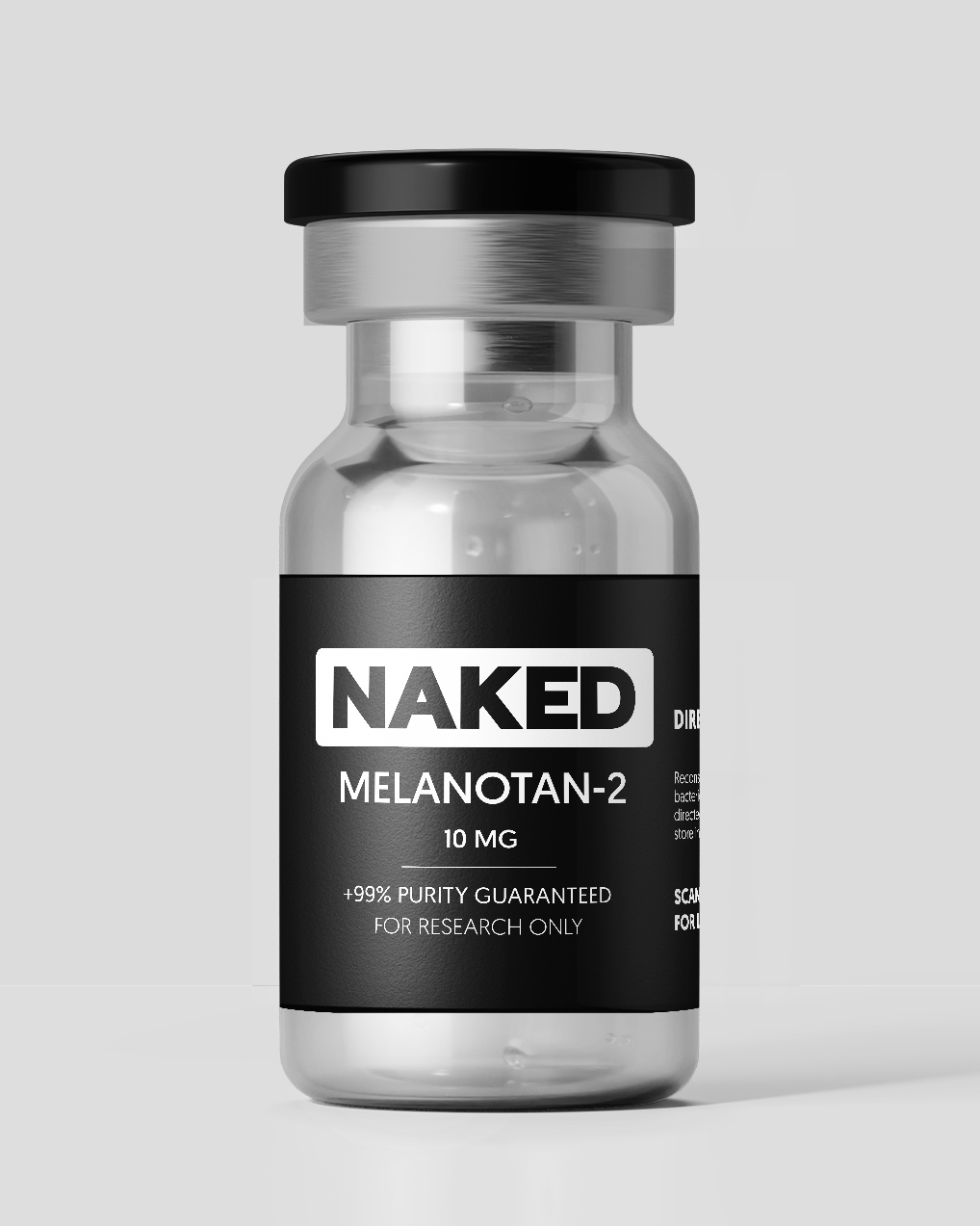
Melanotan-2 (MT-2) is a melanocortin peptide analogue studied for its role in skin pigmentation, melanin production, tanning support, appetite regulation, and melanocortin receptor activation.
Derived from alpha-melanocyte stimulating hormone (?-MSH), Melanotan-2 is researched for its ability to stimulate melanin synthesis while interacting with multiple melanocortin receptors involved in pigmentation, metabolism, and physiological signaling pathways.
Skin pigmentation & tanning support
Melanotan-2 is commonly studied for its ability to:
- Support increased melanin production
- Enhance tanning response to UV exposure
- Promote deeper skin pigmentation
- Support more even skin coloration
Proposed mechanisms include:
- Activation of melanocortin receptors involved in pigmentation
- Stimulation of melanocyte activity
- Increased production of protective melanin pigments
- Enhancement of the body’s natural tanning processes
Because Melanotan-2 promotes melanogenesis, it is commonly researched for supporting skin pigmentation and tanning adaptation.
UV adaptation & photoprotection research
Research involving Melanotan-2 has explored its role in:
- Supporting natural photoprotective responses
- Increasing melanin levels within the skin
- Enhancing adaptation to UV exposure
- Supporting skin resilience under environmental stress
Melanin functions as one of the body’s natural defenses against ultraviolet radiation, making Melanotan-2 a frequent subject of investigation in pigmentation and photoprotection studies.
Appetite regulation & metabolic research
Melanotan-2 is also studied for its effects on appetite and metabolic signaling by supporting:
- Appetite regulation pathways
- Satiety signaling mechanisms
- Energy balance research
- Metabolic adaptation processes
Researchers continue to investigate how melanocortin receptor activation influences food intake and energy regulation within the body.
Libido & melanocortin signaling
Melanotan-2 has attracted research interest for its interaction with melanocortin receptors associated with:
- Sexual health signaling pathways
- Libido-related physiological responses
- Neuroendocrine regulation
- Central nervous system melanocortin activity
These effects are believed to result from activation of melanocortin receptors beyond those involved solely in pigmentation.
Skin health & cellular protection
Research has also explored Melanotan-2 for its potential role in supporting:
- Healthy skin appearance
- Cellular resilience to environmental stressors
- Natural pigmentation maintenance
- Skin adaptation to UV exposure
Its ability to stimulate melanin production continues to make it a valuable subject in studies focused on skin biology and protective pigmentation mechanisms.
Mechanism of action
- Mimics the activity of naturally occurring ?-MSH
- Activates multiple melanocortin receptors throughout the body
- Stimulates melanocyte activity and melanin synthesis
- Enhances pigmentation and tanning pathways
- Influences appetite, metabolic, and neuroendocrine signaling systems
Unlike topical tanning products that provide external coloration, Melanotan-2 works through biological pathways involved in natural pigmentation and melanocortin receptor activation.
Summary
Melanotan-2 is a melanocortin peptide studied for skin pigmentation, tanning support, melanin production, appetite regulation, and melanocortin receptor activity.
In short:
- Supports natural melanin production
- Enhances tanning response and skin pigmentation
- Activates melanocortin signaling pathways
- Supports UV adaptation and photoprotection research
- Influences appetite and metabolic regulation pathways
- Is commonly studied for libido-related physiological effects
Disclaimer: This content is for educational and research purposes only and is not intended as medical advice. Always conduct your own research and consult a qualified professional before use.