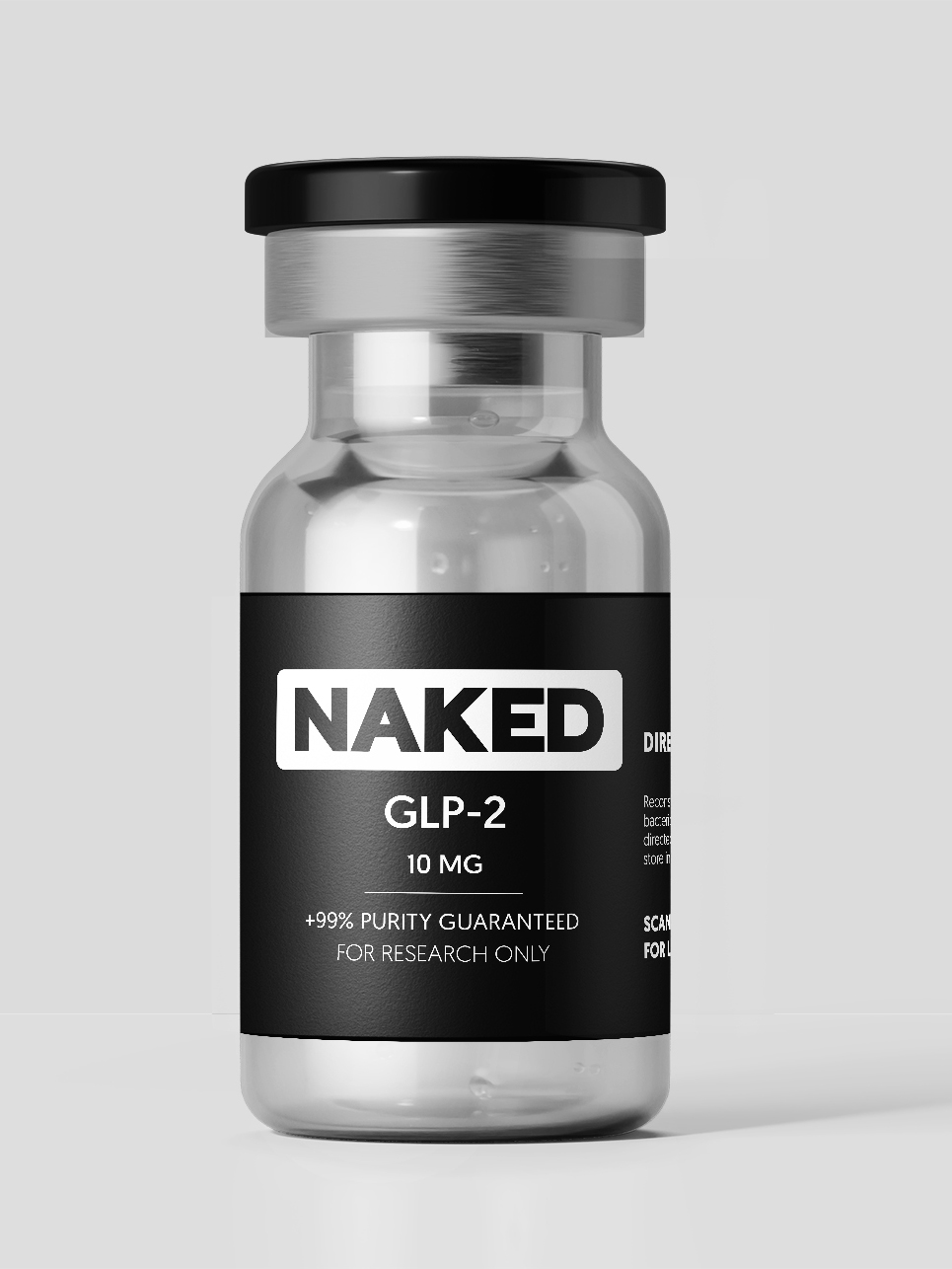
Description
What is GLP-2 known for?
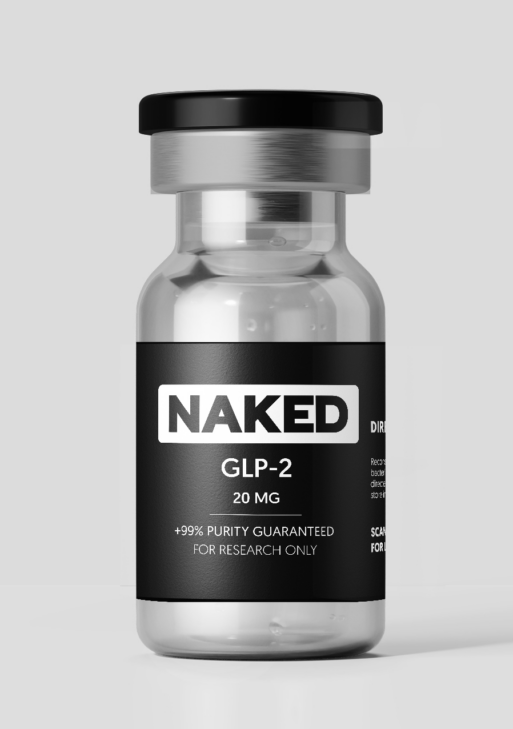
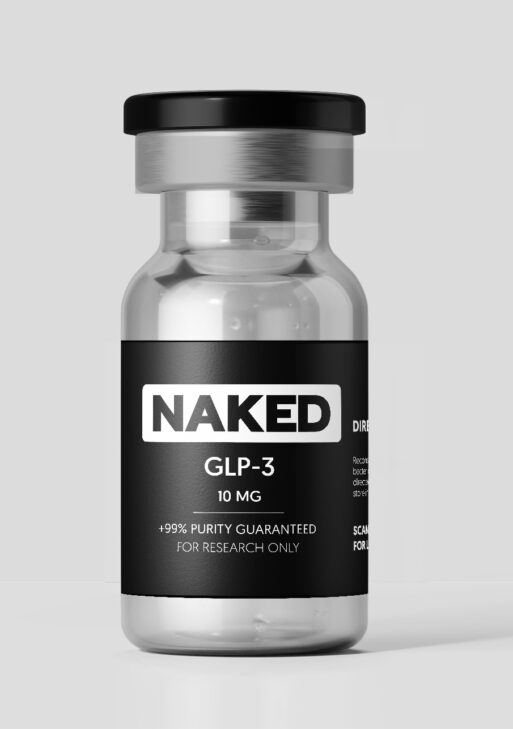
GLP-2 is a dual-action metabolic compound that activates both:
- GLP-1 (glucagon-like peptide-1) receptors
- GIP (glucose-dependent insulinotropic polypeptide) receptors
These two hormones work together to regulate appetite, blood sugar, insulin response, and energy balance.
By targeting both pathways (instead of just GLP-1 alone), GLP-2 is designed to produce stronger metabolic and weight-regulation effects.
Appetite control & satiety signaling
Through GLP-1 and GIP activity, tirzepatide is studied for its ability to:
- Reduce hunger signals in the brain
- Increase feelings of fullness
- Slow stomach emptying
This leads to:
- Lower calorie intake
- Reduced cravings
- Easier portion control
Blood sugar regulation & insulin sensitivity
GLP-2 helps support metabolic health by:
- Enhancing insulin release after meals
- Improving insulin sensitivity
- Stabilizing blood glucose levels
These effects are important for:
- Energy balance
- Reduced fat storage signaling
- Healthier metabolic function
Indirect fat loss & metabolic efficiency
Like other appetite-based metabolic compounds, GLP-2 supports fat loss mainly by:
- Reducing food intake
- Improving metabolic signaling
Over time, this calorie reduction contributes to:
- Decreased body fat
- Improved body composition
Summary
GLP-2 is a dual-action metabolic compound that reduces appetite, increases fullness, improves blood sugar control, and supports weight loss by activating both GLP-1 and GIP hormone pathways.
In short:
- Suppresses hunger and cravings
- Improves glucose and insulin response
- Supports fat loss indirectly
- Enhances overall metabolic balance
Disclaimer: This content is for educational and research purposes only and is not intended as medical advice. Always conduct your own research and consult a qualified professional before use.